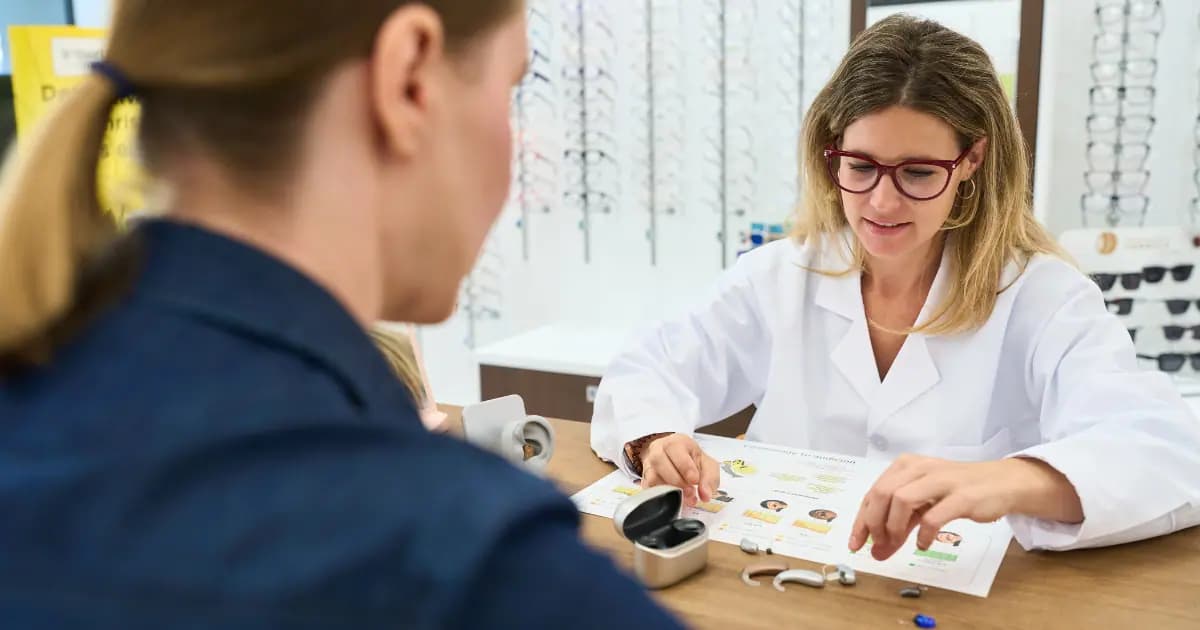

Getting fitted with hearing aids is an important milestone, but it is only the beginning of better hearing. Many people expect to leave their fitting appointment with perfectly adjusted devices, only to realize that hearing in everyday environments takes time, practice, and fine-tuning.
That is why follow-up appointments are one of the most valuable parts of hearing care. At 3D Hearing, we believe successful hearing treatment depends on ongoing support, not simply providing hearing aids. As a local Maryland hearing care provider serving Annapolis, Waldorf, Pasadena, and Huntingtown, our focus is helping patients hear their best for years to come.
If you’re searching for hearing aids in Maryland, wondering whether you need additional appointments after your fitting, or looking for the best hearing aids for seniors, here’s why follow-up care matters.
Why Your Hearing Aids Need Fine-Tuning
No two people experience hearing loss the same way. Even when two patients have similar hearing test results, their listening preferences, lifestyles, and daily environments differ.
During your initial fitting, your hearing professional programs your hearing aids using your hearing test results. However, your brain also needs time to adapt to hearing sounds it may not have heard clearly in years.
Many patients notice:
- Their own voice sounds different
- Background sounds seem louder
- Restaurants remain challenging
- Television volume changes
- Wind or traffic sounds become more noticeable
These experiences are completely normal and often improve with small programming adjustments over several follow-up visits.
Your Brain Is Relearning How to Hear
Hearing aids don’t simply make sounds louder; they help your brain receive clearer sound information again.
Research published in Frontiers in Neuroscience found that hearing aid use can support improved auditory processing and may help reverse some effects of auditory deprivation after consistent use over time.
This adjustment period explains why wearing your hearing aids regularly and attending follow-up appointments work together to produce the best long-term outcomes.
What Happens During a Hearing Aid Adjustment Appointment?
Many patients are surprised by how much can be accomplished during a follow-up visit.
At 3D Hearing, appointments may include:
Reviewing Your Listening Experiences
Your hearing care provider will ask questions like:
- Which environments are difficult?
- Are conversations easier?
- Is television comfortable?
- Are phone calls clear?
- Do your ears feel comfortable after several hours?
These answers guide every adjustment.
Fine-Tuning Your Hearing Aid Settings
Modern prescription hearing aids from manufacturers like Oticon, Phonak, and Starkey allow precise programming adjustments, including:
- Speech clarity
- Noise reduction
- Directional microphones
- Wind noise management
- Volume balance
- Feedback reduction
Small changes often produce noticeable improvements.
Checking Device Fit
Even the best hearing aids won’t perform well if they don’t fit properly.
Your provider checks for:
- Ear canal comfort
- Proper insertion
- Dome or earmold fit
- Irritation
- Retention during daily activities
Comfort encourages consistent daily use.
Real Ear Measurement Makes a Difference
One of the most important parts of hearing aid verification is Real Ear Measurement (REM).
Rather than estimating how hearing aids perform, REM measures exactly how sound reaches your eardrum while wearing your devices.
The American Academy of Audiology recommends verification measures such as Real Ear Measurement because they help ensure hearing aids match evidence-based prescription targets and provide the intended benefit.
Patients searching for a hearing doctor in Huntingtown, the best audiologist in Pasadena, MD, or a hearing aid center in Maryland should ask whether Real Ear Measurement is included in their fitting process.

Everyday Life Provides Valuable Feedback
No office can perfectly recreate every listening situation.
After wearing hearing aids for several weeks, patients often notice specific challenges like:
- Family dinners
- Church services
- Restaurants
- Grocery stores
- Outdoor walks
- Group conversations
These real-world experiences give your provider valuable information to improve programming.
The goal isn’t louder hearing; it’s clearer hearing where it matters most.
Follow-Up Care Helps Prevent Small Problems from Becoming Bigger Ones
Regular appointments also allow your provider to catch minor issues before they affect performance.
Common concerns include:
- Wax blocking microphones
- Moisture buildup
- Weak rechargeable batteries
- Damaged receivers
- Loose tubing
- Software updates
Many problems can be solved during a quick office visit, helping you avoid unnecessary frustration or interruptions.
Patients looking for hearing aid repair in Waldorf or emergency hearing aid repair near me often discover that routine maintenance prevents many repair issues altogether.
Adjustments Improve Satisfaction
Research consistently shows that patients who receive ongoing hearing care report greater satisfaction with their hearing aids than those who receive little follow-up support.
A study published in the Journal of the American Academy of Audiology found that structured follow-up care and counseling improve hearing aid outcomes, daily use, and patient satisfaction.
Successful hearing care isn’t just about technology; it is about partnership between the patient and hearing professional.
Follow-Up Appointments Build Confidence
Many people hesitate to wear hearing aids because they worry about:
- Looking different
- Learning new technology
- Operating smartphone apps
- Managing rechargeable batteries
- Cleaning their devices
Follow-up visits give you time to ask questions and build confidence.
Your provider can demonstrate:
- Proper cleaning
- Bluetooth pairing with an iPhone
- Charging routines
- Changing accessories
- Travel tips
- Care during Maryland’s humid weather
The more comfortable you become using your hearing aids, the more consistently you’ll wear them.
Hearing Needs Can Change Over Time
Hearing naturally changes with age.
Regular follow-up appointments help monitor:
- Hearing changes
- Device performance
- Speech understanding
- Tinnitus management
- Battery health
- Software improvements
If your hearing changes, your hearing aids can often be reprogrammed without replacing them.
This ongoing care helps maximize your investment.
Why Local Care Matters
Buying hearing aids online or through large national retailers often limits access to personalized follow-up care.
As an independent Maryland hearing care provider, 3D Hearing focuses on long-term relationships with patients, not one-time sales.
Patients throughout:
- Annapolis
- Waldorf
- Pasadena
- Huntingtown
receive personalized hearing care from professionals who understand their history, preferences, and hearing goals.
That continuity often leads to better outcomes and greater confidence over time.

Don’t Skip Your Follow-Up Appointments
Your hearing aids are designed to improve your quality of life, but achieving the best results takes more than one appointment.
Follow-up visits allow your hearing professional to fine-tune your devices, answer questions, verify performance, and help you adapt to hearing more naturally in everyday life.
If you’re considering hearing aids in Maryland, need a hearing test in Annapolis, or want experienced, ongoing hearing care from a trusted local provider, 3D Hearing is here to help. Schedule an appointment through https://www.3dhearing.com/ to experience personalized hearing care focused on your long-term success.
Explore 3D Hearing